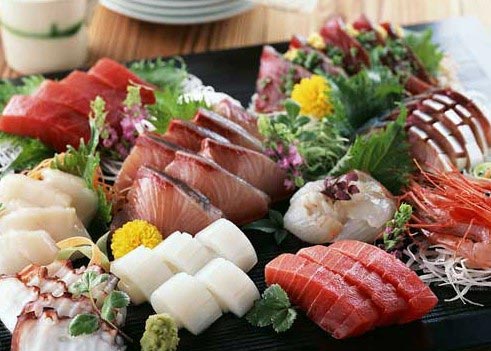
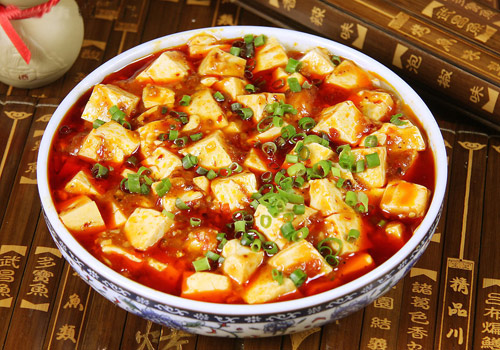
Chinese Food Restaurant Biography
Source(google.com.pk)
Historians tell us the genesis of food service dates back to ancient times. Street vendors and public cooks (caterers) were readily available in Ancient Rome. Medieval travelers dined at inns, taverns, monestaries and hostelries. Colonial America continued this tradition in the form of legislated Publick Houses. The restaurant, as we know it today, is said to have been a byproduct of the French Revolution. Modern food service is a product of the Industrial Revolution. Advances in technology made possible mass production of foodstuffs, quick distribution of goods, safer storage facilities, and more efficient cooking appliances. Advances in transportation (most notably trains, automobiles, trucks) also created a huge demand for public dining venues. Another thought to ponder: how military foodservice impacted civilian industry.
"Foodservice organizations in operation in the United States today have become an accepted way of life, and we tend to regard them as relatively recent innovations. However, they have their roots in the habits and customs that characterize our civilization and predate the Middle Ages. Certain phases of foodservice operations reach a well-organized from as early as feudal times...Religious orders and royal households were among the earliest practitioners of quantity food production...Records show that the food preparation carried out by the abbey brethren reached a much higher standard than food served in the inns at that time...The royal household, with its hundreds of retainers, and the households of nobles, often numbering as many as 150 to 250 persons, also necessitated an efficient foodservice...In providing for the various needs, strict cost accounting was necessary, and here, perhaps, marks the beginning of the present-day scientific foodservice cost accounting..."
---West and Wood's Introduction to Foodservice, June Payne-Palacio & Monica Theis, editors [Prentice-Hall:Upper Saddle River NJ] 9th edition, 2001 (p. 5-6)
Restaurants & catering
While public eateries existed in Ancient Rome and Sung Dynasty China, restaurants (we know them today), are generally credited to 18th century France. The genesis is quite interesting and not at all what most people expect. Did you know the word restaurant is derived from the French word restaurer which means to restore? The first French restaurants [pre-revolution] were not fancy gourmet establishments run by ex-aristocratic chefs. They were highly regulated establishments that sold restaurants (meat based consommes intended to "restore" a person's strength) to people who were not feeling well. Cook-caterers (traiteurs) also served hungry patrons. The history of these two professions is historically connected and often difficult to distinguish.
According to the current edition of Larousse Gastronomque (p. 194-5), the first cafes (generally defined as places selling drinks and snacks) was established in Constantinople in 1550. It was a coffee house, hence the word "cafe." Cafes were places educated people went to share ideas and new discoveries. Patrons spent several hours in these establishments in one "sitting." This trend caught on in Europe on the 17th century. When cafes opened in France they also sold brandy, sweetened wines and liqueurs in addition to coffee. The first modern-type cafe was the Cafe Procope which opened in 1696.
The French Revolution launched the modern the restaurant industry. It relaxed the legal rights of guilds that [since the Middle Ages] were licensed by the king to control specific foods [eg. the Patissiers, Rotisseurs, Charcutiers] and created a hungry, middle-class customer base who relished the ideals of egalitarianism (as in, anyone who could pay the price could get the same meal). Entrepreneurial French chefs were quick to capitalize on this market. Menus, offering dishes individually portioned, priced and prepared to order, were introduced to the public for the first time.
Who started the first restaurant?
There are (at least) three theories:
1. Boulanger, 1765
"In about 1765, a Parisian 'bouillon seller' named Boulanger wrote on his sign: 'Boulanger sells restoratives fit for the gods'...This was the first restaurant in the modern sense of the term."
---Larousse Gastronomiqe, completely revised and updated [Clarkson Potter:New York] 1999 (p. 978)
2. Mathurin Roze de Chantoiseau in Paris, 1766
"According to Spang, the forgotten inventor was Mathurin Roze de Chantoiseau, a figure so perfectly emblematic of his time that he almost seems like an invention himself. The son of a landowner and merchant, Roze moved to Paris in the early 1760s and began floating a variety of schemes he believed would enrich him and his country at the same time."
http://dir.salon.com/books/review/2000/03/24/spang/index.html
3. Beauvilliers, 1782
"However, the first Parisian restaurant worthy of the name was the one founded by Beauvilliers in 1782 in the Rue de Richelieu, called the Grande Taverne de Londres. He introduced the novelty of listing the dishes available on a menu and serving them at small individual tables during fixed hours."
---Larousse Gastronomique, (p. 978)
About restaurants
"...France was the birthplace of what we now call the restaurant...this happened toward the end of the eighteenth century. With the exception of inns, which were primarily for travelers, and street kitchens...where in Europe at that time could one purchase a meal outside the home? Essentially in places where alcoholic begerages were sold, placesewquipped to serve simple, inexepensive dishes either cooked on the premises or ordered from a nearby inn or food shop, along with wine, beer, and spirits, which constituted the bulk of their business. Such tavern-restaurants existed not only in France but also in other countries. In Germany, Austria, and Alsace, Brauereien and Weinstuben served delicatessen, sauerkraut, and cheese, for example; in Spain bodegas served tapas. Greek taverns served various foods with olive oil..where meals were exempt from taxes, served a variety of fortifying dishes such as stews, meat with sauce, and organ meats...All of these places...were apt to serve plain and simple fare rather than more elaborate culinary creations...For a genuine meal one had to look either to a good inn or go to a rotisseur or traiteur (caterer, from the Italian trattorie). In France, these two guilds, together with the charcutiers, had been granted a monopoly on all cooked meat other than pates...Only common people actually ate in the traiteur's shop, perhaps seated at a table reserved for guests in some establishments. Even a moderately well-to-do person would have preferred to order food delivered to a private home or a room at an inn or hotel or an elegant salon rented for the occasion...In 1765 a man by the mame of Boulanger, also known as "Champ d'Oiseaux" or "Chantoiseau," opened a shop near the Louvre...There he sold what e called restaurants or bouillons restaurants--that is, meat-based consommes intended to "restore" a person's strength. Ever since the late Middle Ages the word restaurant had been used to describe any of a variety of rich bouillons made with chicken, beef, roots or one sort or antoher, onions, herbs, and, according to some recipes, spices, crystallized sugar, toasted bread, barley, butter, and even exotic ingredients..."
---"The Rise of the Restaurant," Food: a Culinary History, Jean-Louis Flandrin & Massimo Montanari [Columbia University Press:New York] 1999(p. 471-480)
"Restaurant...The word appeared in the 16th century and meant at first a food which "restores" (from restaurer, to restore), and was used more specifically for a rich, highly flavoured soup thought capable of restoring lost strength...Until the late 18th century, the only places for ordinary people to eat out were inns and taverns. In about 1765, a Parisian "boullion-seller" named Boulanger wrote on his sign: Boulanger sells restoratives "fit for the gods"...This was the first restaurant in the modern sense of the term. Boulanger was followed by Roze and Pontaille, who in 1766 opened a maison de sante (house of health). However, the first Parisian restaurant worthy of the name was the one founded by Beauvilliers in 1782...called the Grand Taverne de Londres. He introduced the novelty of listing the dishes available on a menu and served them at small individual tables during fixed hours. One beneficial effect of the Revolution was that the abolition of the guilds and their privileges made it easier to open a restaurant. The rest to take advantage of the situation were the cooks and servants from the great houses, whose aristocratic owners had fled. Moreover, the arrival in Paris of numerous provincials who had no family in the capital created a pool of faithful customers, augmented by the journalists and businessmen. The general feeling of well-being under the Directory, following such a chaotic period, coupled with the chance of enjoying the delights of the table hitherto reserved for the rich, created an atmosphere in which restaurants became an established institution."
---Larousse Gastronomique, completely revised and updated edition [Clarkson Potter:New York] 2001 (p. 978)
"The Restaurant Revolution
An eye-witness, Grimod de La Reyniere advances three reasons why restaurants emerged in France with the French Revolution: the rage for English fashions, including the taking of meals in taverns; the influx of large numbers of revolutionary deputies from the provinces; and cooks seeking re-employment after the break-up of the aristocratic households....We need to remember that the near universal way to serve meals until this time [1825] was to place the pot of pots on the table for all to share. The grander the meal, the more dishes. In fancy dining, the artistic creation was at the table...Hotels served limited ranges at fixed time...The caterers (traiteurs) did not provide portions, but whole courses'--an entire joint, say--and anyone who whished to entertain a few friends must order them well in advance'. With the restaurant, artistic creation became the individual plate. In one blow, high quqlity became publicly available; even more significantly, cooking/sharing was individualized...Restaurants hastened the emergence of the sovereign consumer. At the table of a first-class restauranteur, any person could dine as well as a prince..."
---A History of Cooks and Cooking, Michael Symons [Universtiy of Illinois Press:Urbana IL] 1998 (p. 289-293)
[NOTE: this book contains much more information than can be paraphrased here. Ask your librarian to help you find a copy]
"Restaurant. According to contemporary dictionaries, a restaurant is simply an eating place, an establishment where meals are served to customers. By this definition, restaurants--by whatever name they have been given--are almost as old as civilization. The ruins of Pompeii contain the remnants of a tavern which provided foods and wines to passers-by...the prime function to these early eating places' was to cater to the needs of people away from home who, unless they had brought their own food and cooks with them, were obliged to take whatever was available--or go hungry. From the second half of the 17th century there were cafes, public places where people could meet and talk, eat and drink....In England there were also taverns which, catering to a socially superior clientele, employed well-known cooks and offered an extensive choice of dishes. The restaurant, as it was conceived in Paris towards the end of the 18th century, had a different vocation. Its principal advantage was that it offered diners a choice: according to Brillat-Savarin [he was lawyer and gourmand who wrote the Physiology of Taste], restaurants allowed people to eat when they wanted, what they wanted, and how much they wanted, knowing in advance how much this would cost. The top restaurants of the day boasted a vast menu, with a choice of 12 soups, 65 entrees...and 50 desserts. Prior to this, French catering was highly regulated and shared between various corporations [guilds]...The regulations surrounding these trades gave each one certain privileges. The rotisseur, for example, roasted meat but was not allowed to bake dishes in the oven, nor to make ragouts'[stews]...By 1771 the world restauranteur' was defined...as someone who has the art of preparing true broths, known as restaurants', and the right to sell all kinds of custards, dishes of rice, vermicelli and macaroni, egg dishes, boiled capons, preserved and stewed fruit and other delicious and health-giving foods...The word restaurant', used to describe an eating house, first appeared in a decree of 1786...Restaurants were...an important consequence of the Revolution and concurred with its aims in promoting egality around the table. Eating was no longer the privilege of the wealthy who could afford to maintain a cook and a well-supplied kitchen."
---Oxford Companion to Food, Alan Davidson [Oxford University Press:Oxford] 1999 (p. 660)
On Restauranteurs, The Physiology of Taste, Jean Anthelme Brillat-Savarin (c. 1828)
Restaurants in early America
Colonial taverns and inns sold food, but they were not generally known for their cuisine. Nor was the food offered on menus. The French restaurant concept was introduced to the newly established USA in the very last years of the 18th century. Food historians place the genesis of grand city restaurants, often based in fine hotels, to the first quarter of the 19th century.
"The French Revolution encouraged the growth of restaurants by abolishing the monopolistic cooks' guilds and by forcing the aristocrats' former chefs to find new, proletarian uses for their talents...Travelers to France excitedly brought the news of these Parisian restaurants to an American public that already enjoyed a spiritual kinship with France ever since that country allied itself with our own Revolution. French culture had already had a considerable effect on our own...This affinity for French cooking convinced a former cook to the archbishop of Bordeaux to open his own French-style eating house in Boston in 1794. His name was Jean Baptiste Gilbert Payplat, and he called his establishment by his nickname, "Jullien's Restarator," where he became known as the "Prince of Soups," echoing the original meaning of the word "retaurant."...But the growth of the concept of freestanding restaurants depended ultimately upon a large enough number of people willing to accept it and pay for it. In 1800 the total population of New York, Philadelphia, Boston, Baltimore, and Charleston combined was only 200,000, but soon it began to soar. New York grew fastest--160,000 inhabitants by 1825...By 1805 New York had four coffeehouses, four oyster houses, four tea gardens, two victualing houses, and a cookshop, as well as forty-two combination boardinghouses and taverns and these increased rapidly for absorb the new prosperity...The food available in these new eating houses--which went in and out of business at an amazing rate of failure--continued to be for the most part coarse, heavy, and of mediocre or poor quality. Game was plentiful, including venison, pigeon, racoon, and elk. Turtle was considered a delicacy...Fresh meat went bad quickly, so many workers slaughtered the pigs that freely roamed the streets consuming refuse, and Broadway was lined with vendors selling roast pork. Others hawked oysters, fast becoming a passion with Americans...Once the food was set on the table, the customers tore into it with what one observer called "inconceivable rapidity," and other defined as a technique of "gobble, gulp and go." This was pretty much the standard procedure in most eating houses and taverns. Even in the grand, new, modern hotels like New York City's Hotel (1794), a service philosophy of "come-and-get-it" was accepted as normal, and communal dining rooms serving up fixed meals at set hours were till the rule, although the spendiferous Tremont House in Boston, which opened in 1828, inaugurated "French Service" in its two-hundred-seat dining room, where guests might dine at individual tables and use th new four-tined fork. By the 1830s the "American Plan," by which travelers were forced to pay for room and board whether they ate a meal or not, was becoming standard in the hotel industry. In lesser hotels and taverns, it was not so much a question of "come-and-get-it" as it was "try-to-to-eat-it."
---America Eats Out, John Mariani [William Morrow:New York] 1991 (p. 25-7)
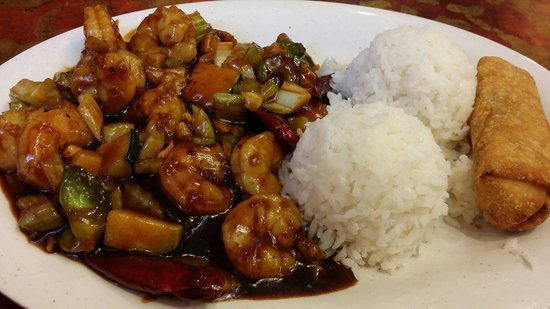
Chinese Food Restaurant Chinese Food Menu Recipes Take OUt Box Near Meme Noodles Images Delivery Clipart PHotos
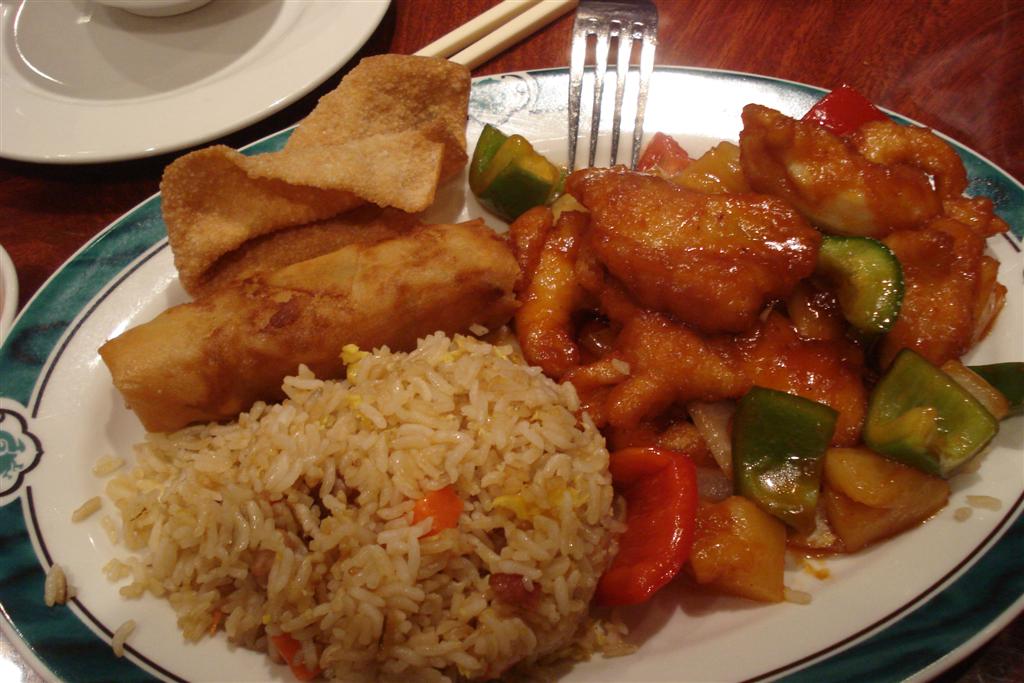
Chinese Food Restaurant Chinese Food Menu Recipes Take OUt Box Near Meme Noodles Images Delivery Clipart PHotos
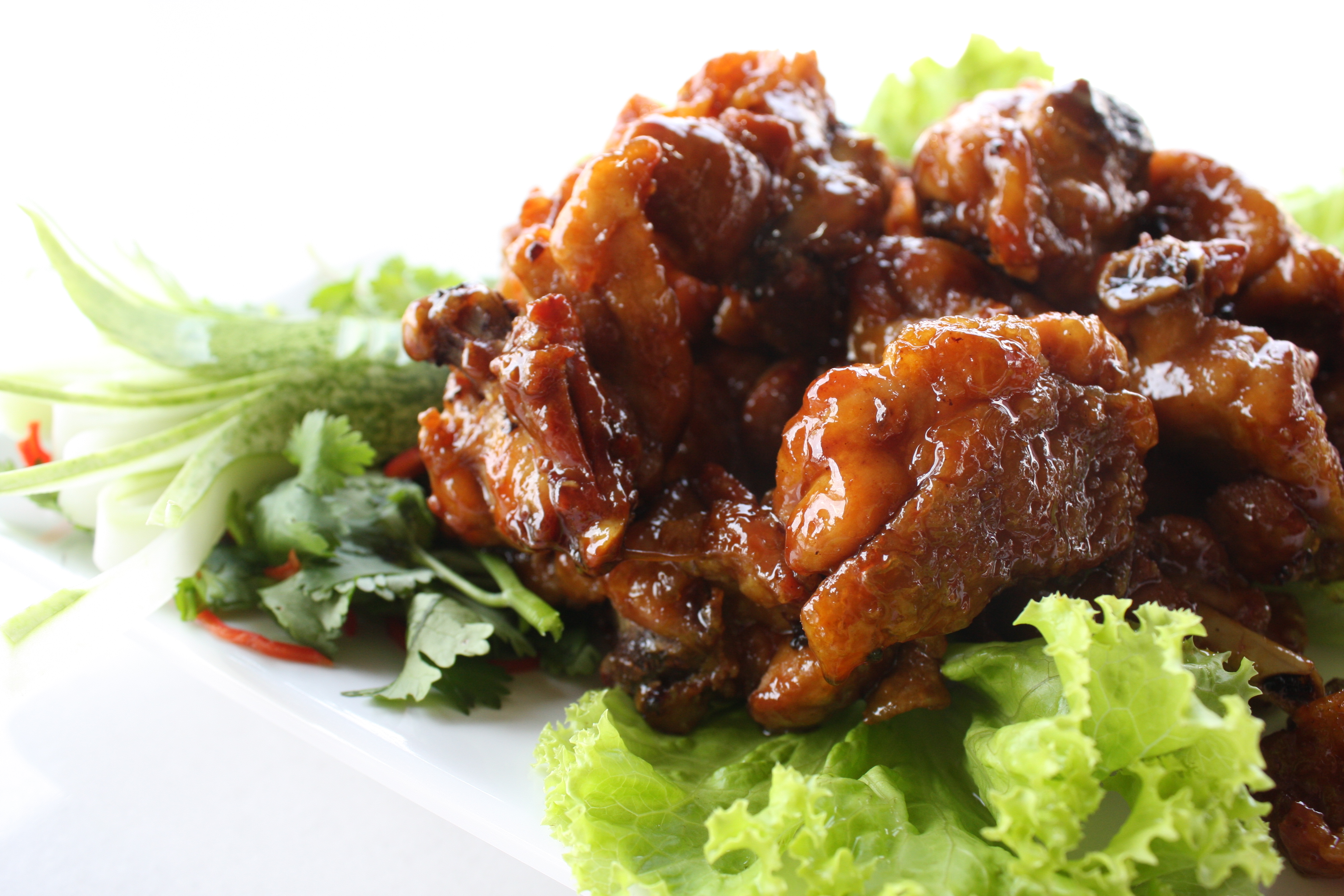
Chinese Food Restaurant Chinese Food Menu Recipes Take OUt Box Near Meme Noodles Images Delivery Clipart PHotos
Chinese Food Restaurant Chinese Food Menu Recipes Take OUt Box Near Meme Noodles Images Delivery Clipart PHotos
Chinese Food Restaurant Chinese Food Menu Recipes Take OUt Box Near Meme Noodles Images Delivery Clipart PHotos
Chinese Food Restaurant Chinese Food Menu Recipes Take OUt Box Near Meme Noodles Images Delivery Clipart PHotos
Chinese Food Restaurant Chinese Food Menu Recipes Take OUt Box Near Meme Noodles Images Delivery Clipart PHotos
Chinese Food Restaurant Chinese Food Menu Recipes Take OUt Box Near Meme Noodles Images Delivery Clipart PHotos
Chinese Food Restaurant Chinese Food Menu Recipes Take OUt Box Near Meme Noodles Images Delivery Clipart PHotos
Chinese Food Restaurant Chinese Food Menu Recipes Take OUt Box Near Meme Noodles Images Delivery Clipart PHotos
Chinese Food Restaurant Chinese Food Menu Recipes Take OUt Box Near Meme Noodles Images Delivery Clipart PHotos
 Chineses Food Chinese Food Menu Recipes Take OUt Box Near Meme Noodles Images Delivery Clipart PHotos
 Chineses Food Chinese Food Menu Recipes Take OUt Box Near Meme Noodles Images Delivery Clipart PHotos
 Chineses Food Chinese Food Menu Recipes Take OUt Box Near Meme Noodles Images Delivery Clipart PHotos
 Chineses Food Chinese Food Menu Recipes Take OUt Box Near Meme Noodles Images Delivery Clipart PHotos
 Chineses Food Chinese Food Menu Recipes Take OUt Box Near Meme Noodles Images Delivery Clipart PHotos
 Chineses Food Chinese Food Menu Recipes Take OUt Box Near Meme Noodles Images Delivery Clipart PHotos
 Chineses Food Chinese Food Menu Recipes Take OUt Box Near Meme Noodles Images Delivery Clipart PHotos
 Chineses Food Chinese Food Menu Recipes Take OUt Box Near Meme Noodles Images Delivery Clipart PHotos
 Chineses Food Chinese Food Menu Recipes Take OUt Box Near Meme Noodles Images Delivery Clipart PHotos
 Chineses Food Chinese Food Menu Recipes Take OUt Box Near Meme Noodles Images Delivery Clipart PHotos